
As I gear up for Game 5 of the NLDS between the Los Angeles Dodgers and the San Diego Padres tonight, I am reminded that there’s something uniquely timeless about baseball, a sport that seems to stretch across generations, connecting us not just to the game itself but to our memories, to our families, and to the places we hold dear.
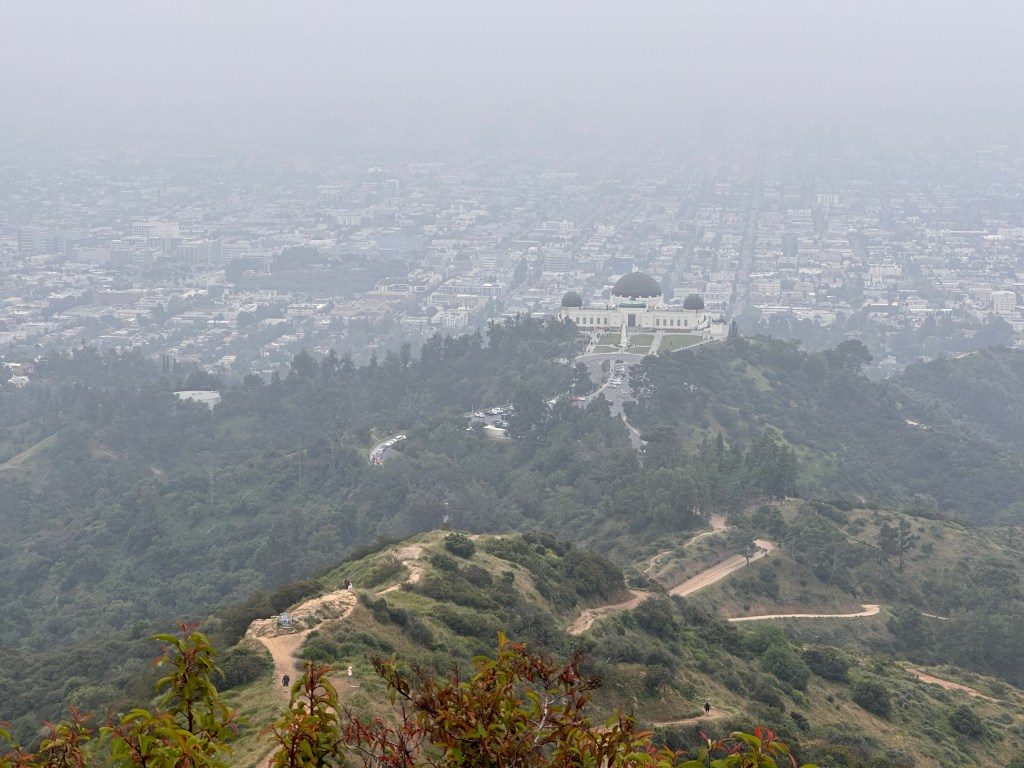
Earlier this April, my wife and I found ourselves with a perfect Los Angeles day ahead of us. We began with a hike through Griffith Park, weaving through trails with that perfect mix of solitude and company, taking in the sweeping vistas of the city hidden under the mists of early Spring. A strange peacefulness hangs over LA from up there, a quiet reminder that beneath its surface, this city is layered with stories, just like baseball itself. By the time we had finished our hike, the air had warmed, and the hum of excitement was growing. It was a game day at Dodger Stadium, and we were headed there.
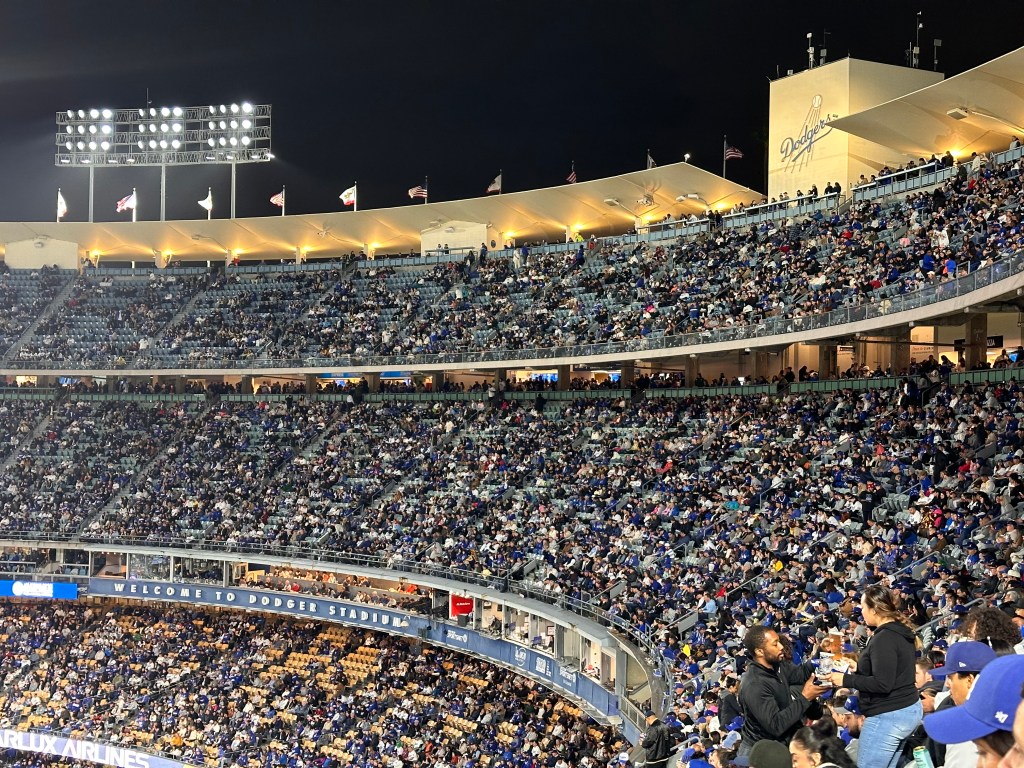
Dodger Stadium feels like hallowed ground the moment you step inside. The crackling energy, the hum of a stadium filling up with fans, and the sight of those pristine white uniforms on the field instantly transport you to a different time. It’s a place where every swing of the bat seems to carry history with it. And tonight, we were about to witness something special.
Shohei Ohtani, hailed as the modern-day Babe Ruth was stepping up to the plate. The stadium buzzed with anticipation as if everyone knew something extraordinary was about to happen. Ohtani stood poised, bat held high, eyes focused. And with a swing so graceful and powerful it felt almost cinematic, he sent the ball soaring into the night. It was his first home run in a Dodger uniform at Dodger Stadium, and the roar of the crowd was deafening. That ball might as well have been carrying with it the weight of every baseball fan’s nostalgia. It was an echo of legends past and present. Baseball has that effect. It’s a sport that, unlike any other, transcends generations, connecting families, friends, and even strangers in a shared experience.
For me, my love for baseball didn’t start with a bat in hand or in the stands at a ballpark. It began with a fascination for history. Growing up, I was captivated by the stories of World War II veterans, many of whom found solace in baseball during the darkest days of their lives. For prisoners of war, such as the airmen from the “Bloody 100th” Bomb Group, baseball wasn’t just a distraction; it was their way of holding on to home. They passed the time reminiscing about their favorite teams, organizing games with whatever equipment they could find, and talking about what baseball meant to them. Gale Cleven, a member of the 100th who was shot down and captured by the Germans, recalled how he and his fellow prisoners would use baseball to get through the monotony and uncertainty of their days. The Red Cross even delivered baseballs and bats to some camps, allowing the men to organize games. These makeshift matches became a form of emotional resistance, a way to fight the feelings of isolation and captivity. Baseball wasn’t just a way to pass the time; it represented freedom, hope, and the life they all longed to return to. This historical connection has made baseball more than just a game; it’s a bridge, linking the past to the present and serving as a lifeline in times of adversity.
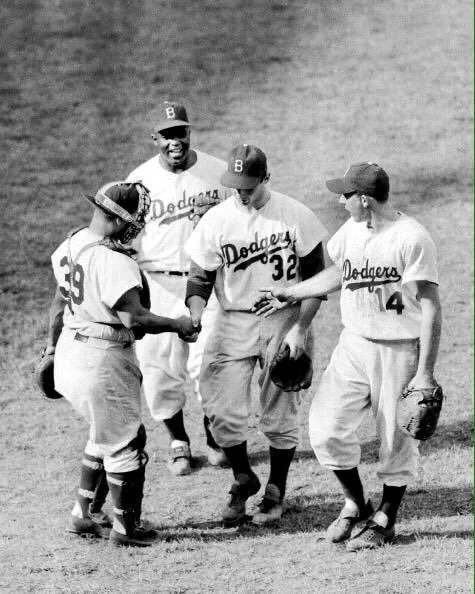
My appreciation for baseball only grew as I dug deeper into its stories. When I was at Dodger Stadium for the first time, I toured the vast halls, dugouts, and trophy rooms, and I was engulfed in its history. I learned how the team earned its name. The original Brooklyn Dodgers, whose fans were once called “Trolley Dodgers,” navigated a mess of trolley lines just to make it to games. The name itself is a reminder of how deeply intertwined baseball is with the identity of a city and its people. The more I learned, the more I fell in love with the legends: Jackie Robinson’s courage breaking the color barrier, Sandy Koufax’s rise to greatness, and the unique place baseball holds in shaping America’s cultural landscape.
This connection to history isn’t just a personal fascination. It’s something that permeates the entire sport. Baseball isn’t just about the game, for it’s about the stories we tell and the legends passed down from generation to generation. Whether it’s fathers and sons in the stands or airmen in POW camps using baseball to connect with their former lives, it’s a sport that speaks to something deeper in us.
For players, too, baseball is more than just a career; it’s a love affair that begins in childhood. The famed Derek Jeter once talked about growing up with a dream of playing shortstop for the Yankees, a dream he turned into reality after years of backyard games, little league tournaments, and endless hours of practice. His story is echoed in towns across America, where every child with a glove and bat can dream of making it big. Whether they make it to the majors or simply play for the love of the game, the experience of playing baseball creates its own stories. It is a sport that remains different in a world dominated by the flashy spectacle of the NFL, the growing appeal of Major League Soccer, or even the rising fandom for the Premier League throughout the US (Let’s go, Liverpool!). It’s a game of subtlety, of moments that build over time rather than quick, fleeting bursts of action. Football might dominate the airwaves with its intensity, but baseball is where you go to find quiet, reflective moments that stay with you long after the game ends. It’s a sport that mirrors life. It is slow, with moments of brilliance.
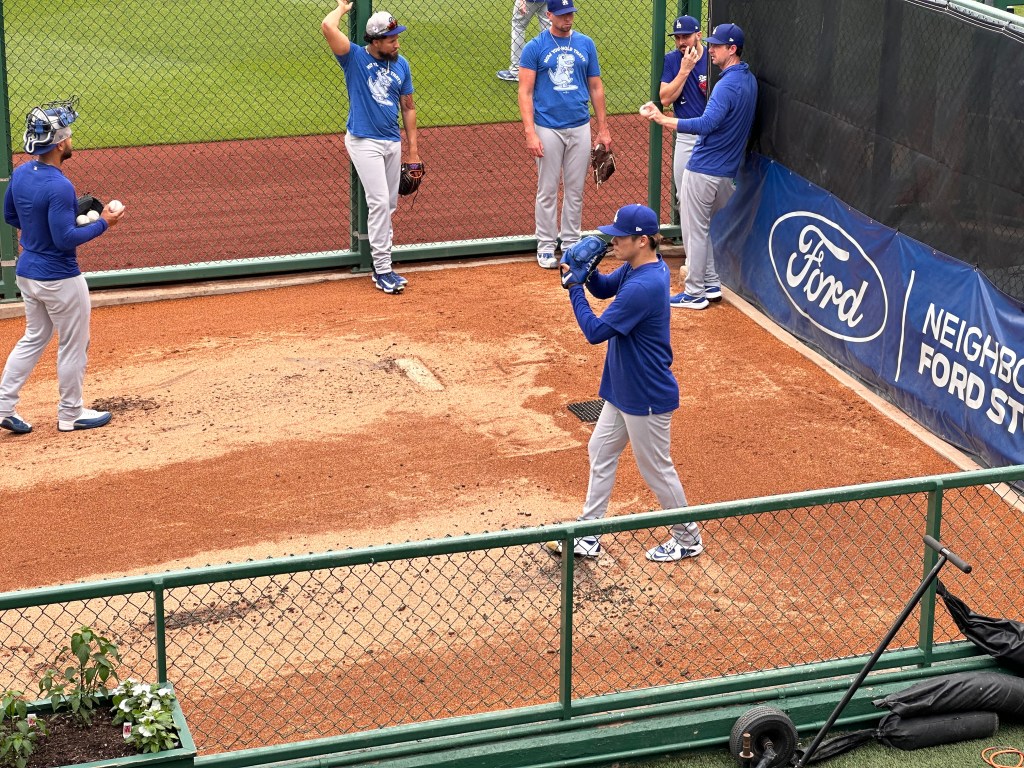
The connection between baseball and those quiet, treasured moments was evident again that night at Dodger Stadium. As the innings wore on and the sky darkened, the floodlights painted the field in a cool glow. My wife and I sat back in our seats, soaking in the steady rhythm of the game, the subtle tension that builds with each pitch, and the occasional crack of the bat breaking the anticipation. There’s a comfort in baseball’s slower pace, one that invites you to let go of life’s constant rush and just be in the moment.
It reminded me of why baseball matters. It’s not because of the scoreboard, but because of the stories unfolding in the stands and on the field. Baseball has a way of holding space for reflection, for conversations that stretch through innings, and for shared silences that say everything. I couldn’t help but think of the fathers and sons I’d met, the couples who’ve made baseball part of their love story, and the countless friends bonded over peanuts and Cracker Jacks. It’s a bridge between the past and present, a connection that doesn’t fade with time.
Even now, as new stadiums rise and new fans discover the game, there’s something about baseball that remains unchanged. You can see it in the faces of fans in the bleachers, in the father teaching his son how to keep score, or in the couple sharing a hot dog under the stadium lights. It’s the connection. It’s the stories. It’s the way baseball binds us together in a way that no other sport can.
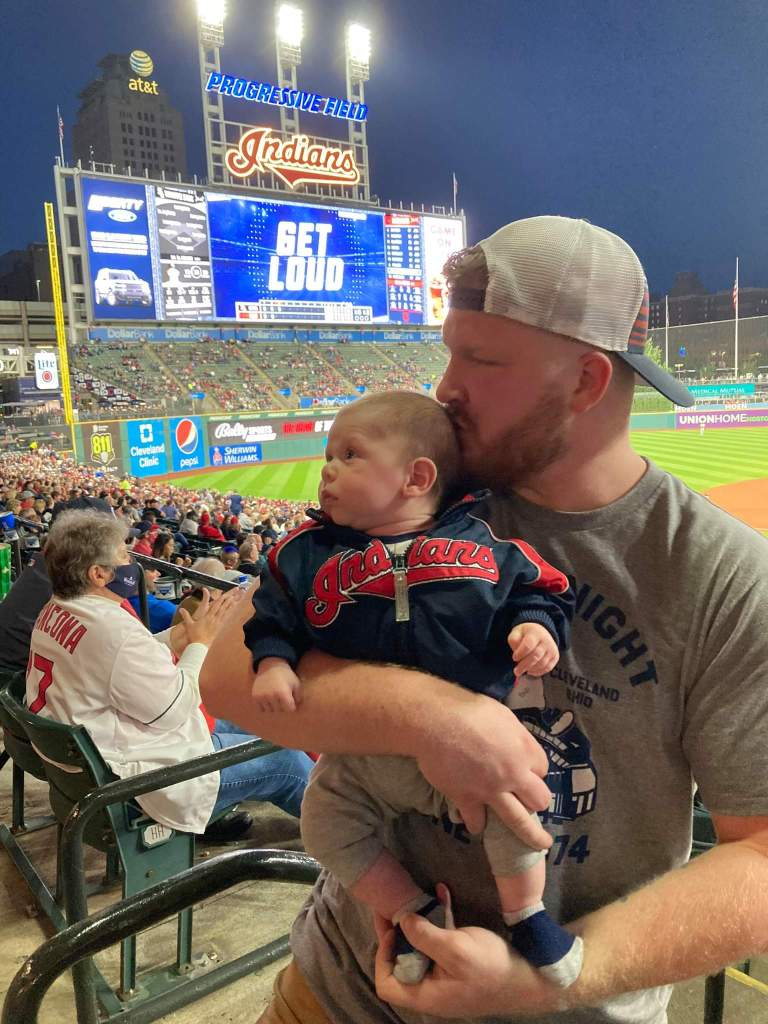
The resurgence of baseball isn’t just a matter of statistics; it’s a testament to the fact that some things are worth holding onto. Major League Baseball has been quietly undergoing a revival. After years of concern about its declining relevance, baseball is finding its footing in the modern world. In 2023, overall attendance for MLB games was up 9% from the previous year, marking the largest single-season increase since the 1998 Mark McGwire and Sammy Sosa home run chase. Not only that, streaming numbers and social media engagement have surged, with younger fans starting to take more interest in the sport through platforms like YouTube and Instagram.
Baseball has always been a sport that thrives on narratives, from local legends to the larger-than-life figures of baseball history. Shohei Ohtani isn’t just a modern-day Babe Ruth because of his ability to hit and pitch with equal brilliance; he’s a symbol of baseball’s timeless appeal. Ohtani’s rise to superstardom has captivated fans across the globe, breathing new life into the league. He’s become the perfect ambassador for the future of baseball, bridging the gap between its storied past and its bright, multicultural future. This resurgence isn’t a fluke; it’s baseball adapting, finding new ways to connect with both old and new fans alike without losing its essence. It’s worth noting that while other sports, like the NFL, might offer the instant gratification of high-octane action and physicality, baseball’s appeal lies in its pace. It’s a sport that asks for your patience but rewards you with moments of pure brilliance, often when you least expect it. For every fastball and home run, there’s also strategy, subtlety, and anticipation. It’s why baseball creates moments that linger, moments like Ohtani’s home run, which you carry with you long after the game has ended.
There’s something distinctly American about that. Baseball is a reflection of life in this country. It’s slow at times, full of waiting and buildup, but with moments that take your breath away. It’s a sport built on the stories of immigrants, working-class heroes, triumphs and losses both on and off the field. From the immigrant neighborhoods of New York that gave rise to the Yankees to the working-class grit of cities like Detroit and Chicago, baseball’s roots are woven into the very fabric of American history.
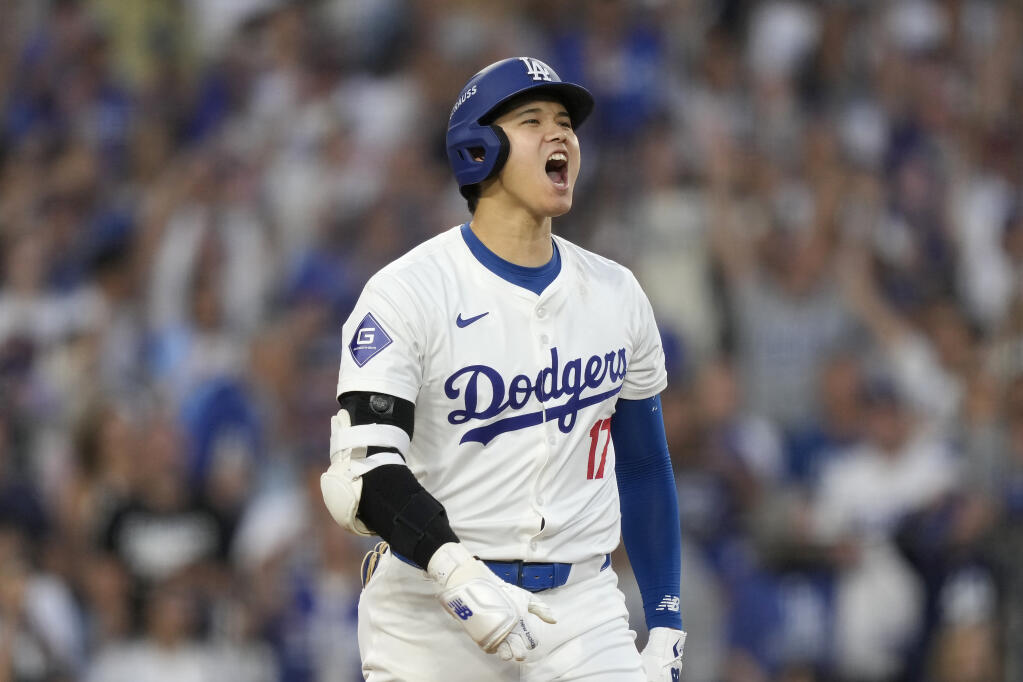
Baseball, in all its timelessness, still holds a special place in the American heart. And as long as there are moments like that night at Dodger Stadium, where the crowd roared for Ohtani’s home run and the smell of peanuts and hot dogs lingered in the warm LA air, I know that baseball will always be America’s pastime.
 Call Me Taylor
Leave a comment